
Create a Brighter Kitchen with the Right Lighting Choices
A well-lit kitchen needs more than a single bright fixture in the centre of the room. The right lighting plan should support food preparation, make everyday tasks easier and create an atmosphere that feels comfortable at different times of day. From task lighting over worktops to softer illumination for entertaining, every layer has a practical purpose. For homeowners exploring Modern Kitchen Lighting, Decor Lighting offers a useful starting point for understanding how different fixtures can work together in a contemporary kitchen.
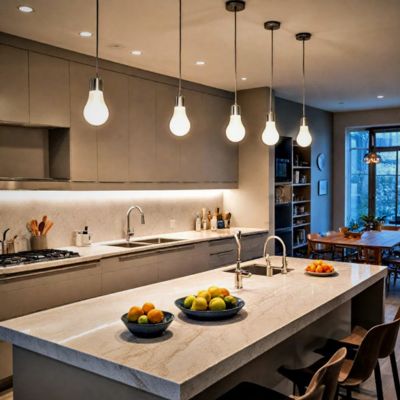
Table of Content |
Start With the Kitchen’s Main Lighting Needs
Before choosing individual fittings, consider how the kitchen is used. A space designed primarily for cooking may need stronger task illumination, while an open-plan kitchen that connects to a dining or living area may benefit from more decorative ambient lighting.
A layered approach usually works best. Ambient lighting provides general visibility, task lighting focuses on specific work areas, and accent lighting can highlight architectural features, shelving or decorative objects.
Also consider the kitchen layout. Islands, breakfast bars, sinks and preparation zones each have different lighting requirements. Planning around these areas helps prevent shadows and reduces the temptation to rely on overly bright general lighting.
Choose Fixtures That Suit the Space
Australia’s varied home designs make flexibility particularly important when planning Kitchen lighting Australia. Ceiling height, room proportions, cabinetry and natural light can all influence the most suitable fixture type.
Pendant lights are particularly useful above islands and dining zones because they provide focused illumination while adding visual interest. Recessed fittings can create a cleaner appearance where a minimalist ceiling is preferred, while wall-mounted fixtures can supplement areas that receive limited light.
| Fixture type | Best suited to | Key consideration |
| Pendant | Islands and breakfast bars | Position carefully to avoid obstructing sightlines |
| Recessed downlight | General illumination | Space fittings evenly for consistent coverage |
| Under-cabinet light | Worktops | Helps reduce shadows during food preparation |
| Track lighting | Flexible layouts | Adjustable heads can direct light where needed |
| Wall light | Decorative or supplementary lighting | Consider proximity to cabinetry and splashbacks |
Balance Brightness With Colour Temperature
Brightness is only one part of effective kitchen illumination. Colour temperature also affects how materials, finishes and food appear.
Cooler white light can create a crisp, functional atmosphere and may suit contemporary spaces, while warmer tones can make a kitchen feel more relaxed and inviting. Many homeowners choose a balanced neutral white for practical areas and introduce warmer decorative sources elsewhere.
Consistency matters as well. Using dramatically different colour temperatures throughout the same visual area can make the lighting feel disconnected. Dimmable fixtures can provide additional flexibility, allowing the brightness to change from bright daytime preparation to softer evening use.
Make Ceiling Lighting Work Harder
The ceiling is often the largest available surface for distributing general illumination, but placement matters. Modern kitchen lighting ceiling solutions should be selected according to the room's dimensions, ceiling height and furniture arrangement rather than simply filling the ceiling with fittings.
Downlights, flush-mount fixtures and adjustable spotlights can all contribute to an effective overhead plan. However, placing a light directly behind someone working at a bench can create unwanted shadows. Positioning fixtures slightly in front of work areas can improve visibility.
For kitchens with high ceilings, pendant fittings can bring light closer to the areas where it is needed while adding proportion to the room. In smaller kitchens, compact fittings can provide adequate illumination without making the ceiling appear crowded.
Consider Practical Details Before Installation
A lighting scheme should look good, but it also needs to function reliably in a busy environment. Before installation, check the fixture’s dimensions, mounting requirements and intended use. Areas near sinks and other water sources may require fittings with appropriate protection ratings, depending on their position and local requirements.
Think about controls too. Separating task, ambient and decorative lights into different switches gives greater control over the room. Dimmers can be particularly useful where compatible fixtures and controls are installed.
It is also worth checking the direction of light. Glare on glossy cabinetry, benchtops or appliances can become distracting, while insufficient illumination around preparation areas can make everyday tasks unnecessarily difficult.
FAQs
What type of lighting works best over a kitchen island?
Pendant fixtures are a popular choice because they provide focused illumination and can complement the proportions of an island. The appropriate number and size depend on the island's dimensions and ceiling height.
Are downlights enough for a kitchen?
Downlights can provide effective general illumination, but they may not address every task area. Supplementing them with under-cabinet or pendant lighting can create a more balanced scheme.
Should kitchen lighting be warm or cool?
Either can work depending on the desired atmosphere and finishes. Neutral white is often a versatile option for functional areas, while warmer light can create a softer evening environment.
Can lighting make a small kitchen look larger?
A well-distributed lighting plan can make a compact kitchen feel brighter and more open. Avoiding dark corners and using appropriately scaled fixtures can contribute to this effect.
Are dimmable kitchen lights useful?
Yes. Dimming allows the same lighting system to accommodate different activities and times of day, provided the fixtures and controls are designed to work together.
Conclusion
Effective kitchen illumination comes from combining practical placement, suitable fixture types, appropriate brightness and thoughtful controls. Rather than relying on one central source, consider how each zone is used and build layers around those needs. With the right planning, Kitchen Ceiling lights can provide dependable everyday visibility while working alongside task and decorative fixtures to create a comfortable, cohesive space.